
JOHANNESBURG – Water is a basic human right, yet for many communities across South Africa and the world, access to safe and reliable water remains a daily struggle.
As the world marks World Water Day, the focus this year shifts to the importance of inclusive water management, with a particular emphasis on the role of women in shaping sustainable solutions.
Water management expert and Unisa Associate Professor, Anja du Plessis, says women’s voices are critical in decision-making processes.
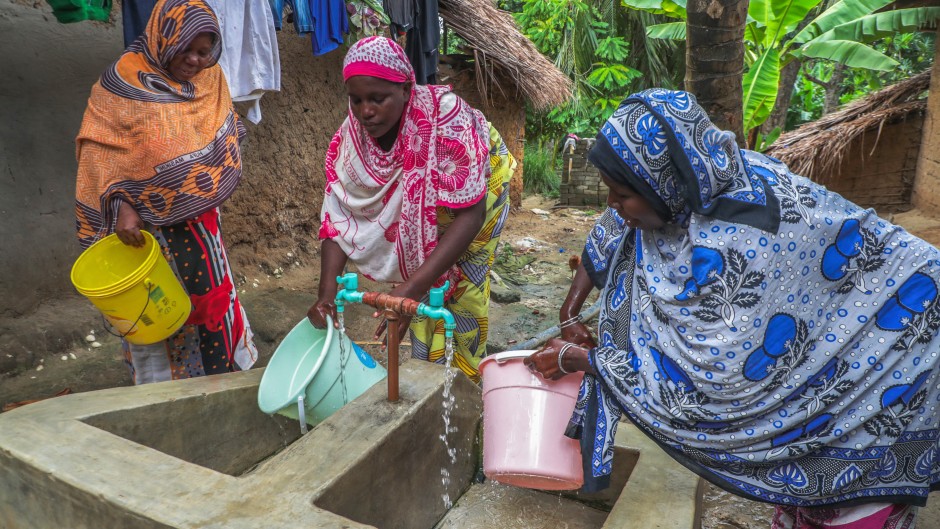
"Women are often the primary managers of household water, particularly in rural contexts. By excluding the voices of women, especially in decision-making, it can contribute to a disconnect between policy and lived realities," she said.
"Ensuring equal participation improves the relevance, equity, and effectiveness of water governance and management by ultimately integrating practical knowledge with formal management systems."
Du Plessis notes that women tend to prioritise water reliability, safety, and long-term sustainability.
This focus contributes to improved system maintenance, reduced vulnerability, and more inclusive development within communities.
In sub-Saharan Africa and South Asia, involving women in water committees has already demonstrated positive outcomes.
These include better maintenance of infrastructure, stronger financial accountability and equitable distribution.
In South Africa, similar progress is being made through local water forums and catchment management initiatives that are increasingly recognising women’s leadership.
But while the right to water is enshrined in South Africa’s Constitution and supported by policies such as Free Basic Water, access remains uneven.

Globally, the United Nations also recognises water as a fundamental human right, but many regions continue to face serious challenges. Ageing infrastructure, pollution, unreliable supply, and growing demand all place pressure on already strained systems.
"For women and girls, these challenges are compounded by socio-economic inequalities, long collection distances, and safety concerns, particularly in underserved and informal areas," she said.
Du Plessis says addressing these challenges requires stronger collaboration between governments and communities.
"We need effective collaboration, which will require participatory governance, transparent decision-making, and shared accountability.
"Governments must provide enabling frameworks and investment, while communities contribute to local knowledge, oversight, and stewardship," Du Plessis said.
"Co-management approaches, particularly at local and catchment scales, are essential and can work if effective collaboration strategies are in place. The ever-growing trust deficit needs to be addressed."
She adds that improved access to safe water has far-reaching benefits.
"Reliable water access, which meets drinking water standards, can reduce waterborne diseases, improve hygiene, and enhance overall health outcomes.
"Having reliable water access and supply can also free up some time, particularly for women and girls who are usually the ones travelling long distances to collect water," she said.
"By addressing improved and safe water access, we can improve school attendance and enable participation in economic activities. In turn, this contributes to broader socio-economic development and poverty reduction, empowering communities."
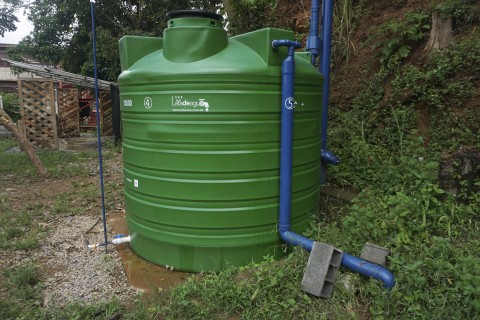
Du Plessis said innovative solutions can also help communities adapt. These include rainwater harvesting, decentralised water systems, smart monitoring technologies, and nature-based approaches such as wetland restoration.
"These practices can save water but also contribute to using water in a more efficient way, and not wasting it. One can also support local initiatives and advocate for inclusive decision-making.
"Promoting awareness around equitable water access and recognising the role of women in water stewardship are also important contributions."
With climate pressures rising, World Water Day underscores that empowering women’s leadership is vital for sustainable, people-centred water solutions.
"Recognising women’s leadership highlights the importance of equity, lived experience, and social dynamics in achieving sustainable water management," Du Plessis said.
Ultimately, she believes lasting change starts at the community level.
"Ensuring that women and marginalised groups are actively involved in decision-making is a critical and practical step toward long-term sustainability and overall resilience, especially in a time of increased climate variability where collaboration, adaptation and resilience will be imperative," she said.