
WILLOWVALE - Chants rumble, drums thunder, and cheers bounce off stadium walls; the 2026 FIFA World Cup is a riot of sound. But football isn’t hogging all the fun this month.
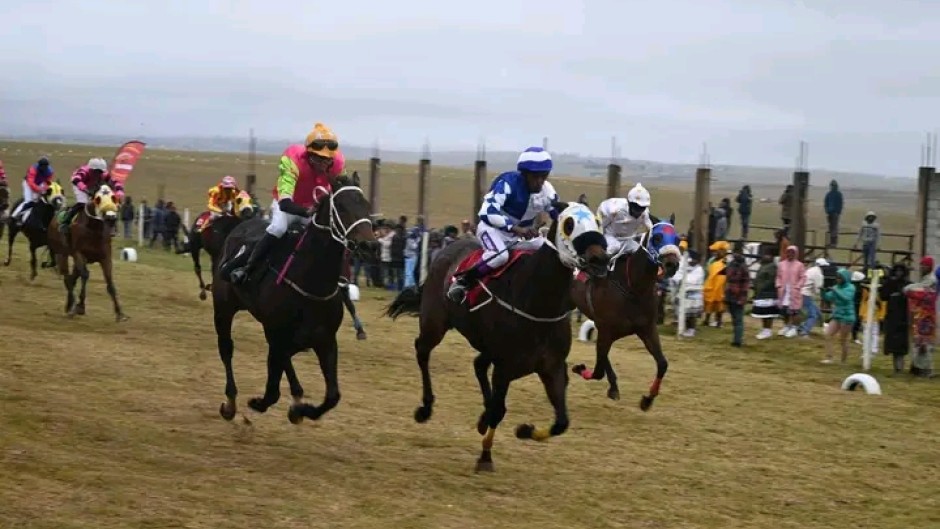
In a tucked-away Eastern Cape village, the same infectious spirit gallops through horse racing.
In Ngcizela, villagers said rural horse racing has, for decades, given local youth something far better than trouble - hope on four hooves.
Thando Buru dreams of becoming a professional jockey one day.
He’s been racing horses since the tender age of nine.
Now 21, Buru hopes his passion for horse racing will inspire others his age to take up the sport.
"I fell in love with horse racing from an early age as I grew up with the sport at home. I became more passionate about the sport after I started winning races.
"As jockeys, horse racing steers us away from social ills. While many young people fall into drugs, racing gives us a way out, an escape from these problems,” Buru said.
Ngcizela village sits near the picturesque Wild Coast.
Its racetrack boasts sweeping views of the Eastern Cape coastline.
For 73-year-old Sixanagu Ntanjana, every competitive race is a ticket back to his childhood.
Once the village’s star jockey in the 1960s and a revered racehorse owner, the retired mineworker still feels the thrill in his veins.
"Horse racing helps to uplift us from our own struggles. I grew up in poverty, but God blessed me with a passion for the sport. Even though I don't have much, people still have fond memories of me from horse racing,” said Ntanjana.
Professional horse racing in South Africa is a multi-billion-rand industry.
Horse owners, punters and those behind the glitz and glamour of these events play a pivotal role in generating revenue for the sector.
However, those who enjoy participating in races hosted in rural villages seem far removed from this reality."
Siphumle Mathiso owns several racehorses.
Unorthodox rituals are being used to prepare thoroughbreds for racing.
Legend has it that these pre-race ceremonies ward off evil spirits that might trouble the horses.
The race organiser hopes Ngcizela’s traditional horse race gains popularity beyond Ngcizela.
"Despite our challenges with our roads, water and the dire poverty here, this race is very important to us. We hope to see more of the press covering our story and we are hoping for more support from the government so that our village can be known far and wide,” said Mathiso.
Horse racing enthusiast Shiella Basopu said, "We don't usually have opportunities to attend major events, so the Ngcizela Horse Racing Club brings us together. And it doesn't end with just horse racing; we also help each other during funerals or support each other during traditional ceremonies."