
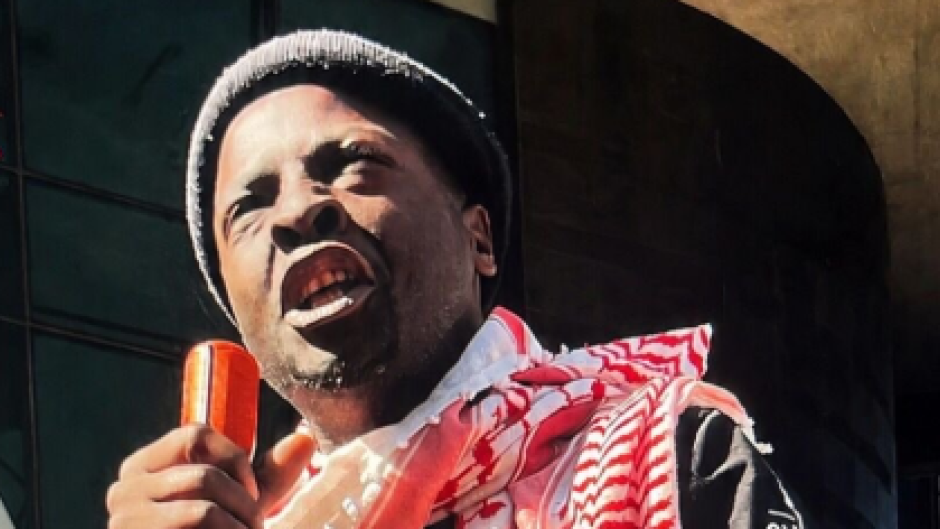
POTCHEFSTROOM - Activists in the North West have said they remain determined to continue Mokoena Letsie's work despite his killing.
Speaking at Letsie's funeral, they all described him as a community leader who dedicated his life to advocating for housing, education, workers' rights and social justice.
Letsie was killed at his home by unknown gunmen last month.
He was the leader of the Potch4Palestine Movement.
Gift Mashaba, another activist, said they are saddened by Letsie’s untimely death. He said Letsie was killed in a hail of 16 bullets.
“We will say to the South African community, we as the activists here in North West Province, we say we won't allow ourselves to be silenced by those who don't want to see justice happening for the working class, the poor, and the marginalized.
READ: Thato Molosankwe’s murder sparks fear in anti-crime activists
“As Comrade Mokoena, he was a community builder. He was a leader, and he fought for decent housing, land, education, and workers. He fought for the ideology that was to liberate the black child from the social ills that are affecting them in their communities,” Mashaba said.
Those who worked closely with Letsie remember him as a committed activist whose vision extended beyond local issues.
One such person was Shaheen Khan, who described Letsie as “internationalist”.
“He stood with the oppressed and exploited of the world. He stood with the people of Palestine, he stood with the people of Sudan, of the DRC, the people who are suffering in all parts of the world, Venezuela, and Cuba.
“He was anti-imperialist, he was an anti-capitalist, and he believed that the oppressed of the world should unite and fight together to emancipate themselves.
Letsie’s lawyer, Trevor Shabalala, said Letsie was a true leader.
“He will be remembered for his activism, and ironically enough, we had a conversation about such situations, because this is not the first attempt on his life.
“This is actually the second attempt, and he said to me ‘Mr. Shabalala, if so, if needs be, then be it. If my death isn't the cause of the revolution, if my death isn't the cause of the servitude of the people, then I'm a happy man.’ I think my brother, wherever he is, is happy,” said Shabalala.