
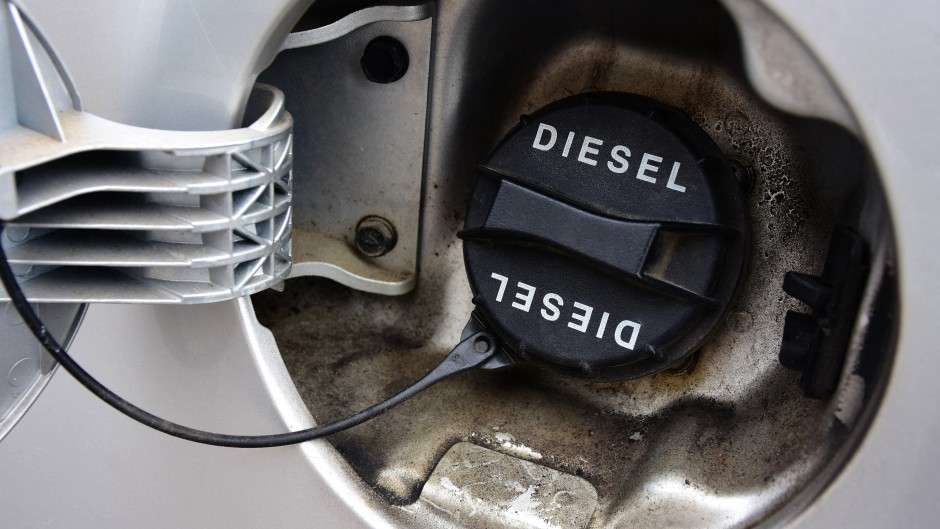
JOHANNESBURG - The latest fuel price increase is already hitting motorists at the pumps.
But the impact won’t end there.
Higher fuel and diesel costs are now making their way through the food supply chain -- from the tractor in the field, to the truck on the highway and eventually to the supermarket shelf.
The question is: How soon will consumers feel the impact in their grocery bills?
READ: Fuel price increase could push up cost of goods, freight industry warns
For farmers like Jan Boshoff, fuel is not simply another expense.
It is essential to almost every stage of getting food from the farm to consumers.
Diesel powers the machinery used to plough, plant, irrigate and harvest.
And every increase adds pressure to already rising production costs.
READ: Govt warns against panic buying as record fuel prices take effect
Then there is the journey from the farm to the supermarket.
More than 80 percent of goods in South Africa are transported by road, meaning higher diesel costs add another layer of pressure to the supply chain.
But as farmers, manufacturers and transporters absorb higher fuel costs, those costs can eventually filter through to the prices of goods on supermarket shelves.
And it’s not only food that could become more expensive.
Higher fuel costs also put pressure on public transport operators.
The fuel increase has already hit motorists.
But its journey doesn’t end at the petrol station.
From the tractor in the field, to the truck on the road and finally onto the supermarket shelf, higher fuel costs can ripple through the entire supply chain.
For consumers already under pressure, the next impact could be felt in the grocery bill.
- eNCA’s Manqoba Mchunu reports.