

JOHANNESBURG - The war in the Middle East may be a contributing factor to fuel costs in South Africa.
However, according to National Debt Advisors’ Dehan Scherman, other factors are also at play.
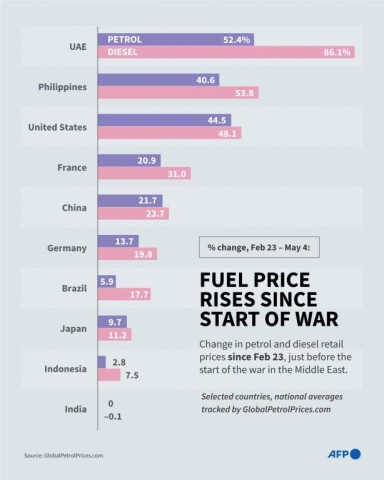
With the war and the suspension of movement through the Strait of Hormuz, 20 percent of the world’s oil supply has been affected, playing a major role in rising prices.
For South Africans, the fuel levy and increased transportation costs are also factors.
Scherman says that although the government has decided to place the fuel levy on hold, consumers may still feel the impact later.
"When it does come back, however, it is going to hit South Africans where it hurts," he says.
"With regular fuel levies as they are right now," says Scherman.
"Adding a considerable amount of money, on top of what we're already going to be spending on petrol, there is also going to be attempts to recoup funds that have been lost due to the levies being on hold," he adds.
READ: Diesel price shock softened after error but pain at the pump remains
Scherman says this is something consumers need to keep in mind moving forward.
"Even if the war had to end today, it may take months to recover," he says.
The petrol price has surged to R26.62 a litre, while diesel has crossed the R31 mark for the first time.
According to Scherman, the government has lost significant revenue and those funds will need to be recovered.
READ: 'No more random trips': Motorists fill their tanks amid midnight fuel price increase
Consumers may eventually need to rely on debt to bridge the gap between what they can afford and what they are earning.
"The increase in prices also drive up inflation," says Scherman.
"Inflation leads to interest rate increases, meaning monthly debt repayments may increase.
"This means less disposable income," he says.
"Moving forward, the expenditure will not only be on petrol, but also on household goods."