
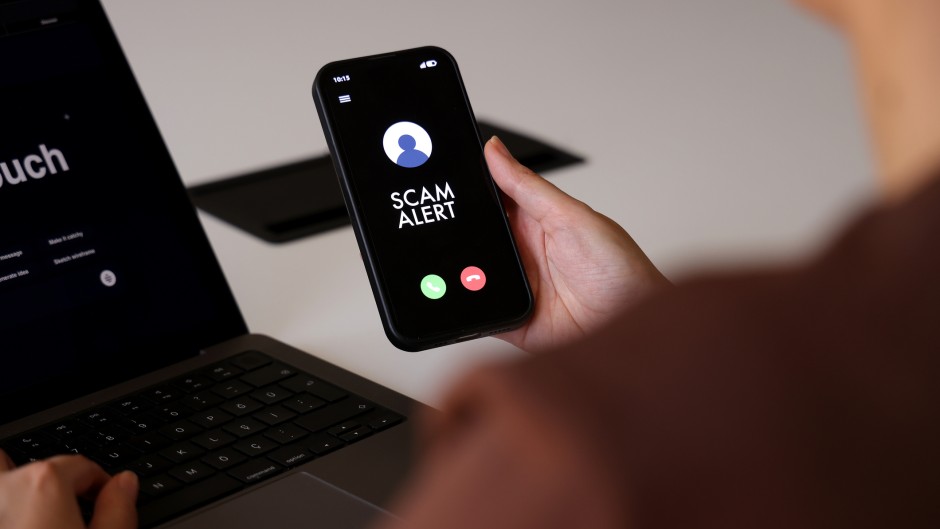
JOHANNESBURG - As Black Friday bargains begin to roll out, consumers are being urged to stay alert as fraudsters ramp up their efforts to exploit the shopping frenzy.
From fake promotional offers and online stores to fraudulent delivery notifications, scammers are finding increasingly sophisticated ways to trick unsuspecting shoppers into handing over their personal and banking details.
And artificial intelligence (AI) is making the threat even harder to detect.
Bonolo Sebolai, Head of Fraud at GoTyme Bank, says fake websites designed to replicate legitimate retailers have reached a new and worrying level of sophistication, with AI allowing fraudsters to create convincing platforms in a matter of hours.
READ | Spar blames KZN woes and a bad Black Friday for losses
Among the scams consumers should be particularly aware of are fake delivery notifications, which typically target people who are expecting a parcel.
Scammers send messages claiming that a delivery is waiting, often prompting recipients to click on a link to confirm details or arrange delivery.
Promotional scams are another growing concern, with fraudsters using fake bargains and special offers to lure shoppers into engaging with fraudulent websites.
Sebolai also warns that these scams are not limited to online platforms, with consumers increasingly being targeted through phone calls and text messages.
READ | Black November spending up as consumers benefit from lower costs
He identifies three common tactics: vishing, where scammers use phone calls; smishing, which involves fraudulent SMS messages; and phishing, where victims are tricked into sharing sensitive information through deceptive links or online platforms.
AI has made these tactics even more convincing, allowing criminals to produce fake websites and promotional material that look almost identical to those of legitimate businesses.
“What you would think would take years and years of development is now being done in a matter of hours,” says Sebolai.