
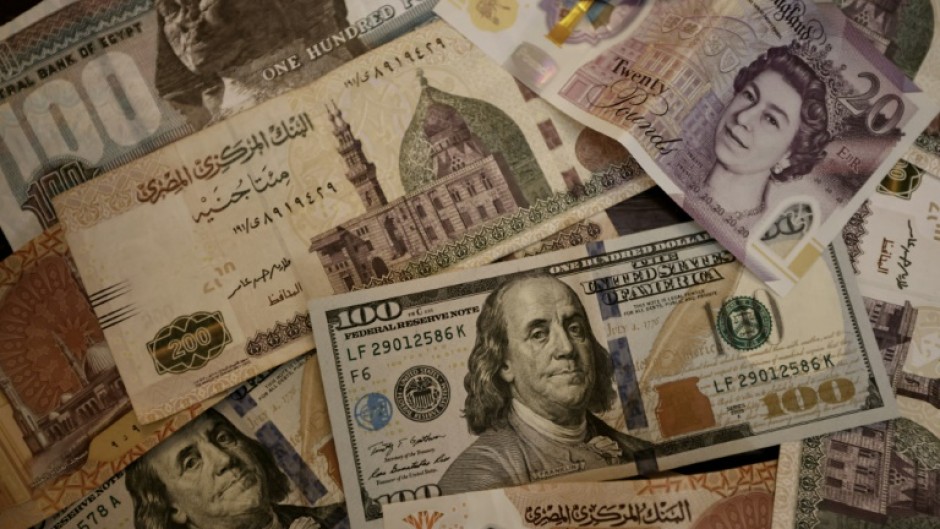
CAIRO - Public anger has been growing for months in Egypt over a severe dollar crunch and soaring food prices.
As families have struggled to purchase household staples, an Egyptian government agency praised an alternative, cheap protein source -- "chicken feet, good for the body and the budget".
The advice drew widespread scorn on social media while lawmaker Karim al-Sadat slammed it as "divorced from the reality of the crisis".
The anger reflects the hardships of many in the Arab world's most populous nation, which recently had to ask for a $3-billion loan programme from the International Monetary Fund.
In a country heavily reliant on food imports, prices have also shot up for staples such as cooking oil and legumes, putting the financial squeeze on many of Egypt's 104 million people.
Rationing signs in big supermarkets now warn customers they can each purchase only three bags of rice, two bottles of milk and one bottle of oil.
Egypt's economy was hit hard after Russia's invasion of Ukraine last February unsettled global investors and led them to pull billions out of the North African country.
The war sent wheat prices spiralling, heavily impacting Egypt, one of the world's largest grain importers, and piling pressure on its foreign currency reserves.
With costs driven up further by soaring global energy prices, official inflation topped 18 percent in November.
The central bank twice devalued the pound last year as the foreign currency crunch saw imported goods worth billions held up at its ports.
READ: Suez Canal chief seeks to dispel fears over draft Egypt law
Amid the crisis, President Abdel Fattah al-Sisi's government has been looking for foreign currency where it can.
Starting this month, tourists will have to pay for train tickets in dollars, said Transport Minister Kamel al-Wazir.
Many banks have limited foreign currency withdrawals and tripled credit card charges.
The IMF loan programme, worth $3-billion over 46 months, is a drop in the bucket for Cairo whose debt service in 2022-2023 alone amounts to $42-billion.
Ratings agency Moody's ranks Egypt as one of the five countries most at risk of defaulting on its foreign debt.