
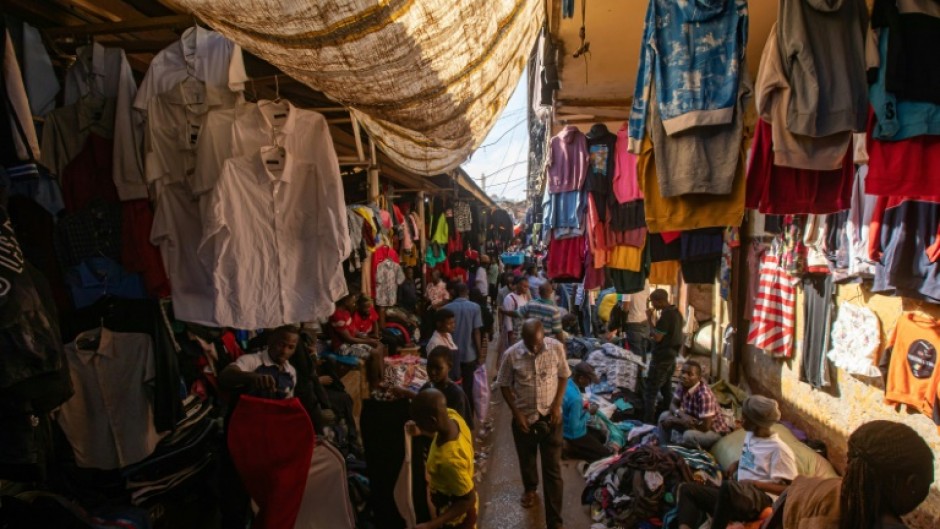
KAMPALA - A potential government ban on the sale of used clothing threatens to sever this crucial lifeline tens of thousands of vendors at the chaotic, overcrowded Owino secondhand market in Uganda's capital.
Established in 1971, the sprawling market employs some 80,000 people, 70 percent of them women, according to Kampala city authorities.
Every day, hundreds of customers squeeze through the narrow alleys separating the makeshift wooden stalls, eager to grab a bargain.
Here, a secondhand Pierre Cardin blazer goes for 40,000 Ugandan shillings ($11), a fraction of the price of a new one.
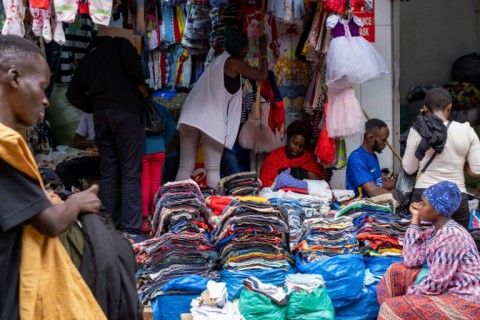
Although there are no official figures available, the Uganda Dealers in Used Clothings and Shoes Association estimates that 16 million people -- one in three Ugandans -- wear used clothing.
"Everyone is into secondhand clothes. Only few people in Uganda can afford new clothes," said Allan Zavuga, retail manager of Think Twice, which employs 30 staff across three branches in the country.
"Banning it in Uganda is doing a disservice to the population and also the country at large," he said, pointing out the environmental cost of producing new clothing instead of reusing items.
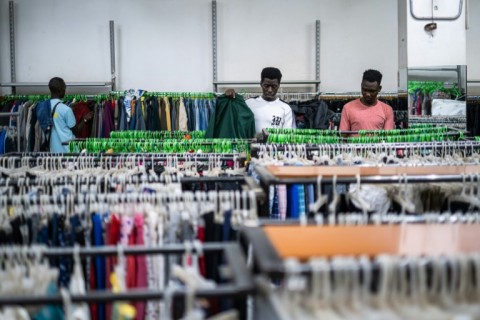
East Africa imports about an eighth of the world's used clothing, providing jobs for some 355,000 people who earn $230-million a year, according to a 2017 study by the US government's aid agency, USAID.
But the sector has also been a longstanding sore point for governments in Africa, who say the cast-offs harm the domestic textile industry.
"These clothes are from the dead in a foreign country. When a white (person) dies, the clothes are sent to Africa," President Yoweri Museveni said in August this year.
"I have declared war on secondhand clothes to promote African wear," he said.