
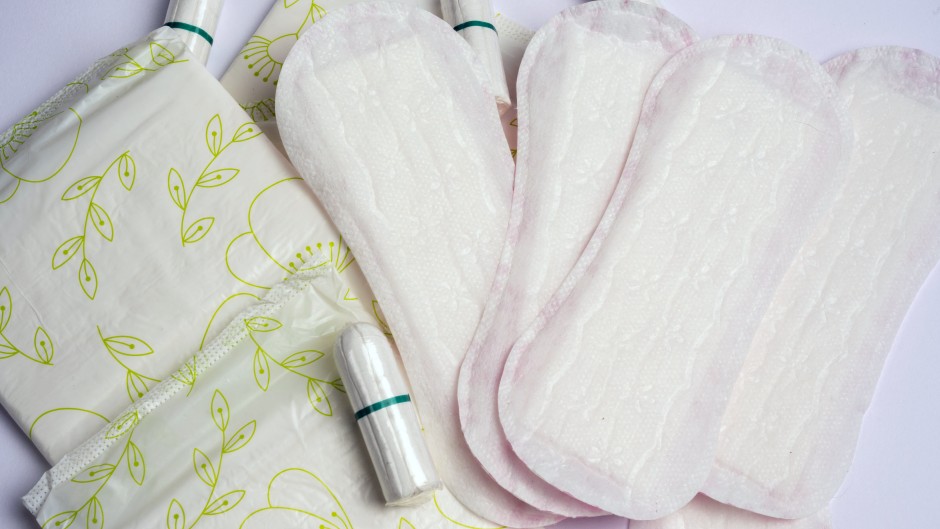
JOHANNESBURG - The presence of endocrine-disrupting chemicals (EDCs) has been known for more than a century, says Health Minister Aaron Motsoaledi.
According to Motsoaledi, the chemicals were first identified in the early 1920s.
The issue has resurfaced after a recent study by the University of the Free State found EDCs in 16 popular sanitary products.
READ: No need to panic over sanitary product chemicals, says expert
Speaking to eNCA, the university’s head of chemistry, Deon Visser, said the chemicals -- including phthalates, parabens and bisphenols -- mimic hormones in the endocrine system.
Visser explained that these substances are not unique to menstrual products and are commonly found in perfumes, plastics and other personal care items.
They are typically used as plasticisers, preservatives, antibacterials and stabilisers.
Where EDCs come from
EDCs can occur naturally or be man-made.
Motsoaledi says the chemicals are widespread and found in many everyday items.
“Everywhere there are human beings, these chemicals are present,” he said.
They can be found in food, household items and personal care products such as cosmetics, toothpaste, shampoo, conditioners, body lotions and lipsticks.
READ: Menstrual product safety under scrutiny as NCC widens investigation
They are also present in clothing, electronic devices and agricultural pesticides.
A study in China found that about 40 percent of EDC exposure came from food, another 40 percent from personal care products, and 18 percent from indoor dust.
Motsoaledi says this is largely because the chemicals are widely present in soil.
Exposure through feminine hygiene products accounted for only 6.8% of total exposure, he added.
READ: Sanitary products remain safe to use - Health Minister Motsoaledi
Can EDCs be removed?
Motsoaledi says the World Health Organization is not aware of any global cases where sanitary products have been recalled because of EDCs.
“Nobody can remove or withdraw EDCs completely,” he said.
“Their presence does not warrant removing products from the market.”
WHO’s Dr Richard Brown says the issue is a global one.
“There is no clear evidence of harm from these products,” he said.
Motsoaledi added that the presence of EDCs in everyday products is largely unavoidable.