
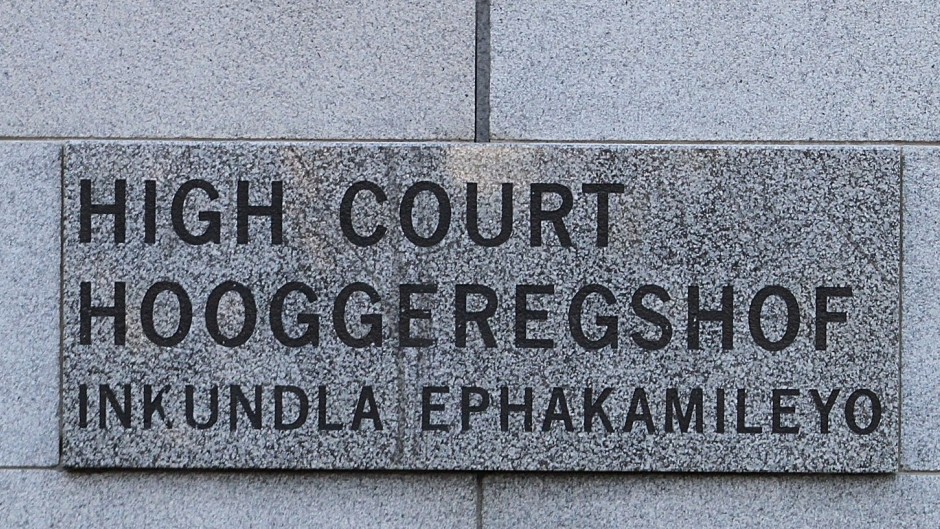
JOHANNESBURG - Court delays can feel like a denial of justice to those seeking it, although the reasons may sometimes be beyond the control of a magistrate or judge.
In other cases, delays may be legally justified and reasonable.
Nevertheless, they can prolong proceedings for both victims and accused persons.
READ: AKA, Tibz murder trial gets off to a delayed start in Durban
The murder trial of Kiernan “AKA” Forbes and Tebello “Tibz” Motsoane has entered its second week at the KwaZulu-Natal High Court.
The first day of proceedings was delayed, reportedly due to logistical challenges involving the transportation of accused persons from prisons far from the court. Infrastructure problems, including a non-functioning lift, were also reported.
As a result, the trial began at 11.30am instead of the scheduled 9am start.
According to Amanda Vilakazi of the Law Society of South Africa, Section 35 of the Constitution guarantees every accused person the right to a fair trial, which includes the right to have the trial begin and conclude without unreasonable delay.
“It is a constitutional obligation on the part of the courts to ensure that the accused are facing a fair trial,” she says.
Vilakazi says victims also have an interest in seeing cases concluded without unnecessary delays, as repeated court appearances can prolong their distress.
Vilakazi says each case must be assessed on its own merits, with the presiding magistrate or judge responsible for investigating the reasons for any delay.
Such an inquiry should consider all the factors contributing to the delay and identify appropriate measures to ensure proceedings continue and justice is served.
In certain circumstances, Section 342A of the Criminal Procedure Act allows a court to investigate unreasonable delays in the completion of criminal proceedings and, where legally justified, make an appropriate order to address them.
The provision does not mean a case is automatically struck off the roll whenever delays occur.