
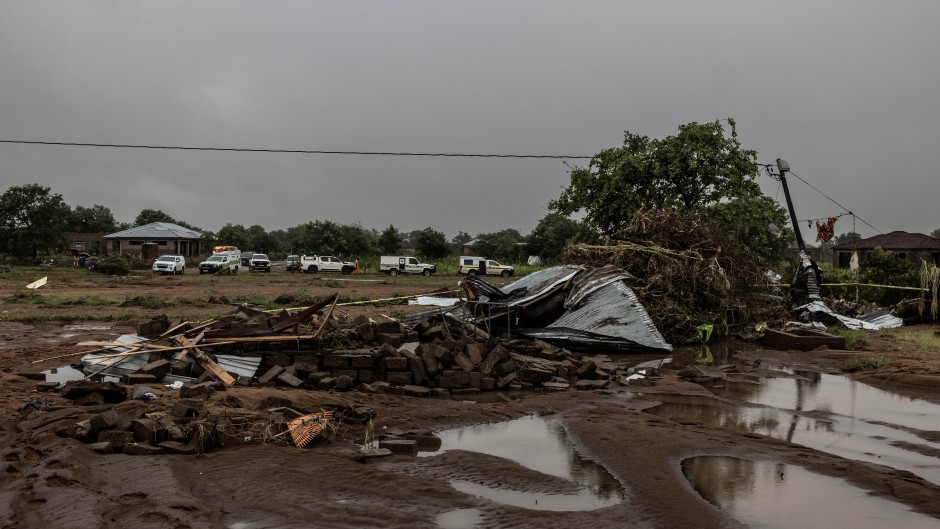
JOHANNESBURG - The continued destruction of infrastructure by extreme weather conditions has brought a sharp focus on whether roads and bridges are built for such current realities.
In Mpumalanga, a road that cost R46.8 million to build just two years ago has already collapsed following recent heavy rainfall.
In Limpopo, 439 roads have been swept away, bridges are no longer standing, and communities are cut off from their economic lifelines and daily routines.
In addition to these, schools have also been destroyed, while health facilities were crippled.
READ | 9 dead, residents homeless, 439 roads destroyed – Rain wreak's havoc in Limpopo
At the time, Limpopo Premier Phophi Ramathuba anticipated that the cost of infrastructure damage resulting from the severe weather and flooding would reach up to R4 billion.
Such incidents have highlighted the growing strain on public infrastructure.
Werner Jerling, Vice President of the South African Institution of Civil Engineers (SAICE), dismissed suggestions that engineers are simply “ticking boxes” but rather know the responsibility they have in building infrastructure.
Jerling says engineers are aware that extreme weather events may be increasing, but designing infrastructure remains a complex process with many variables.
“We wouldn't be able to cater for absolutely all the eventualities. But what you will find is that with current weather models, the design of bridges, stormwater systems and road crossings is changing."
Jerling explains how designs such as bigger openings under bridges, increasing stormwater capacity, and lessons learned are applied to future developments.
READ | Limpopo floods | R71 road closure adds to Phalaborwa woes
He notes the long-term process in road construction, from the initial design to when the road is completed within six years, and is expected to last between 10 and 30 years.
During this time, he says anything can happen, but even then, maintenance becomes critically important.
“As engineers, we do what we can with the standards we have at our availability when we design these roads," Jerling said.