
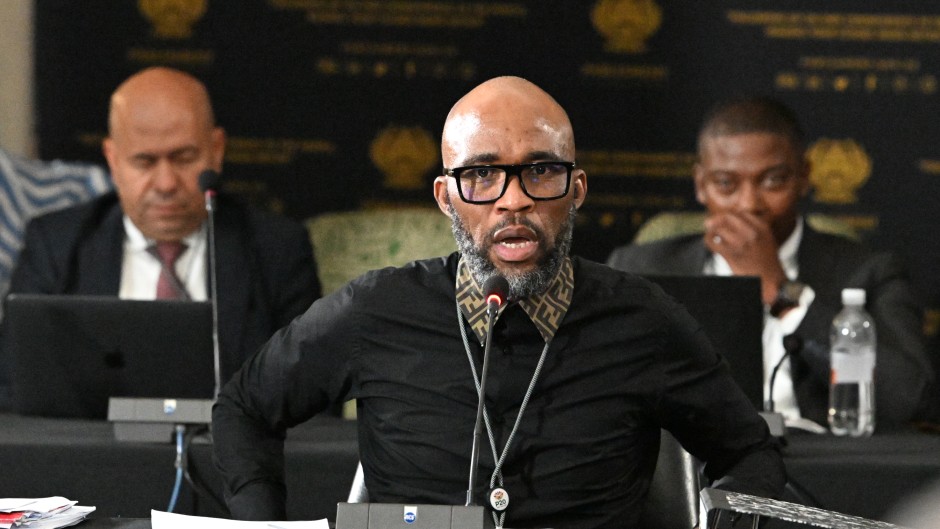
PRETORIA - Judge Ignatius du Preez at the Pretoria Specialised Commercial Crimes Court has rejected Vusimuzi 'Cat' Matlala's proposed sentence for turning state witness.
Matlala, his team and the state had agreed on a 15-year imprisonment, which would be suspended for seven years. He would, essentially serve eight years in prison.
READ: Court rejects proposed sentence in 'Cat' Matlala plea deal
Matlala pleaded guilty to fraud, corruption and money laundering charges linked to a R228 million SAPS tender.
Du Preez, on Wednesday, instead proposed a 12-year sentence.
What is a Section 105A plea deal?
A section 105A of the Criminal Procedure Act governs 'plea and sentence' agreements. It allows a legally represented accused and an authorised prosecutor to negotiate a guilty plea in exchange for a mutually agreed-upon sentence before the trial begins.
"This means that the accused has to plead guilty to al of the elements of the crimes," says Nthabiseng Dubazana from Dubazana Attorneys.
READ: Explainer | Why 'Cat' Matlala's plea deal not a free pass
"It is not as simple as pleading guilty to the crime; you need to admit to the elements you intentionally participated in," she adds.
Dubazana explains that in the agreement, the sentence can be attributed to the particular charge.
The plea agreement is then presented to a judge who will hear it and accept it. It is at their discretion whether they agree to the sentence agreement. Whether it is fair or whether it is too lenient.
The Criminal Procedure Act also addresses plea deals as per section 112 of the Act. This one, however, is reserved for minor offences. It prevents that persons are not fined or imprisoned unfairly for minor or trivial cases. It ensured strict safeguards to protect vulnerable or innocent defendants.
READ: SAPS official Rachel Matjeng dismissed over Matlala-linked misconduct findings
Dubazana says the deal benefits the state as Matlala can assist in further investigations, assisting the case.
Judge's thoughts on Matlala's plea
Du Preez expressed that he was not confirmed that he was not convinced that Matlala was remorseful. But merely agreed to the deal to secure himself a lighter sentence.
The judge has said that the National Prosecuting Authority is not in limbo in the pursuit of justice. He said Matlala's testimony would merely be additional assistance.
Hence, he rejected the sentence agreement of eight years. Instead, Du Preez proposes a 15-year imprisonment suspended for seven years for the charge of fraud.
He will testify in all future matters pertaining to the case, he will be open and honest in his testimony. Matlala must not refuse to testify or retract his statements during the period of suspension.
READ: Julius Mkhwanazi accused of receiving several payments from 'Cat' Matlala
For the corruption count, he would get 10 years, with eight years running concurrently. For money laundering, it would be 10 years, with eight years running concurrently. This would effectively mean a 12-year sentence for him.
A decision has not yet been reached by the parties and the matter will return to court on 13 July.