
JOHANNESBURG - Higher Education Institutions across the country have declared readiness for the 2026 academic year.
However, registration delays linked to pending National Student Financial Aid Scheme (NSFAS) funding confirmations continue to frustrate thousands of students.
In other cases, some students who qualify for funding remain blocked from registering due to outstanding historical debt and accommodation shortfalls.
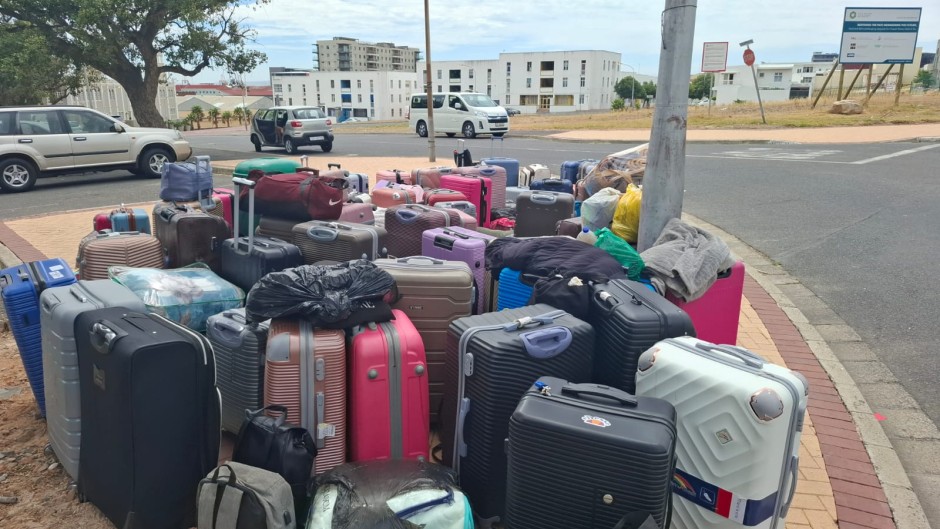
READ | CPUT students sleeping outside campus
At the University of the Witwatersrand, students are facing registration blocks despite being funded by NSFAS.
A major concern is the R45,000 accommodation cap set by NSFAS. Students and institutions say this amount is insufficient.
Wits University spokesperson Shirona Patel said it is problematic and a failing blanket approach, particularly with residence accommodation which include additional and student support facilities.
Patel explains how residence fees are higher because they do not just offer a living expense.
Some residences offer transport, to and from the accommodation, extramural activities including sport and society, additional academic and tutorial support, she explains.
She says it has engaged NSFAS and government departments on the issue, adding that the concern is not unique to the institution.
As a result, the institution has renamed its Hardship Fund to the Wits Registration Assistance Fund to provide relief for upfront registration fees.
The R45 000 cap was introduced to manage the unregulated increasing costs for student accommodation.
NSFAS also introduced this cap to manage the unjustified exorbitant costs of accommodation.
But students argue that the cap is making higher education increasingly inaccessible.
Among those is NSFAS-funded student Shongile Mkhatshwa.
Mkhatshwa has not been able to register for her honours degree because of outstanding debt of R15 000.
This situation has left her feeling helpless.
I don't know where I will get that money. As is stands I cannot even drop out because I don't have my degree certificate as well," Mkhatshwa said.
Earlier this year, Higher Education Minister, Buti Manamela reiterated that NSFAS remains critical in enabling access for poor and working-class students.
He acknowledged that economic pressures and long-standing challenges in basic education continue to strain the funding model.
The department says short-term stabilisation measures are in place, while work continues on a sustainable medium-term funding reform.
The missing-middle funding model is also being expanded.
READ | 20,000 students still under investigation in NSFAS funding probe
Meanwhile NSFAS confirmed that a total of 660 039 students has been proved for funding.
To date the funding scheme has disbursed about R3.6 billion to universities for allowance payments whilst R679 million was disbursed to TVET colleges for tuition payments.
The fund said NSFAS continues to work closely with both institutions and landlords to ensure the timely processing and approval of student accommodation applications.
At the same time, the fund said it is committed to expanding access to higher education and technical training.