
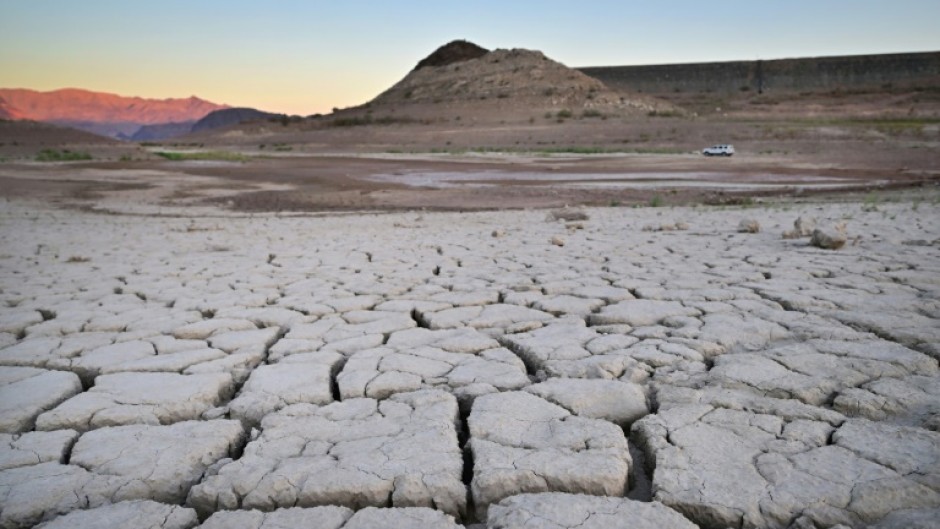
JOHANNESBURG – A United Nations report warns that the world has moved from a water crisis to what it calls global water bankruptcy.
The report found that freshwater systems supporting billions of people are suffering irreversible damage.
Cities such as Cape Town, São Paulo, and Tehran have already faced severe water shortages and have previously come close to so-called “Day Zero” scenarios.
READ | Cape Town issues early drought warning as dam levels decline
The report says agriculture consumes about 70 percent of global freshwater supplies, while one-third of the world’s staple crops are grown in water-stressed regions.
Speaking on the findings, Kaveh Madani, Director of the UN University Institute for Water, Environment and Health, said global water systems are reaching breaking point.
“For much of the world, ‘normal’ is gone,” Madani said.
He said water shortages, droughts, and water deficits are becoming chronic problems. The report shows more than half of the world’s large lakes have declined since the early 1990s, while about 35 percent of natural wetlands have been lost since 1970.
ALSO READ | Outdated infrastructure cause of water leaks, says Mashatile
“What we are seeing is no longer recovery. The stage of crisis has passed. We are now seeing failure and water bankruptcy,” he said.
Nearly three-quarters of the global population now lives in water-insecure regions, with around four billion people experiencing severe water scarcity for at least one month each year. Drought-related economic losses are estimated at about $307-billion annually.
Madani said climate change is worsening water shortages, while outdated infrastructure and rapid urbanisation are increasing pressure on water systems.
He warned that development planning must be revised, economies diversified, and vulnerable communities protected from the worst impacts of water scarcity.