
JOHANNESBURG - The Department of Transport is moving closer to introducing a zero blood-alcohol limit for motorists, with plans to amend the National Road Traffic Act.
While the proposed change is being welcomed as a potentially significant step towards reducing road deaths, questions are being raised over whether South Africa has the capacity to enforce a zero-tolerance approach consistently.
Kashifa Ancer of the DG Murray Trust says enforcement remains one of the biggest challenges facing any move to tighten the law.
“We do not have enough police presence on our roads to ensure that enforcement is even,” Ancer said.
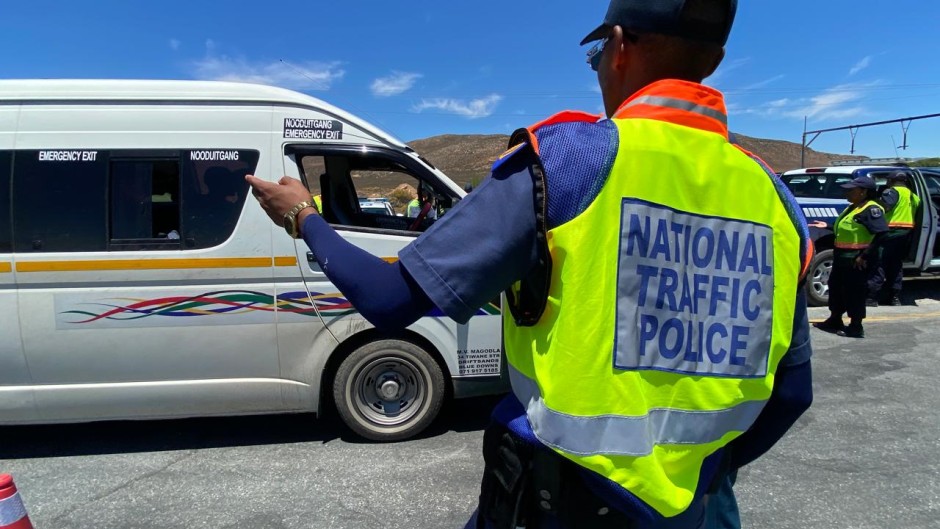
She pointed to the increased deployment of law enforcement resources during peak periods such as Easter, long weekends and the December holidays, saying enforcement is not consistently maintained throughout the year or across the country.
READ | Creecy calls for advanced training for scholar transport drivers
Ancer also raised concerns about what happens after motorists are caught driving under the influence.
“Once people are caught, we often see that there are programmes that they attend, rehabilitation programmes, education and awareness, and are not fully prosecuted according to the extent of the law,” she said.
She attributed this, in part, to capacity constraints and other challenges within the justice system.
Ancer said another major obstacle is the perception among some motorists that drinking and driving carries little risk of serious consequences.
“People still feel like they can take the risk. People still feel like there won’t be any impact for their behaviour.”
According to Ancer, public pressure for tougher measures often intensifies only after major crashes in which lives are lost.
She said the proposed zero blood-alcohol limit should therefore be accompanied by a clear implementation and enforcement strategy.
“It’d be very, very curious to know how the Ministry of Transport is going to position all of these challenges when thinking about how a 0.0 limit is actually going to be enforced,” Ancer said.
“How have they considered implementation and enforcement beyond just changing the number itself?”
Read more: No permit, expired license: Illegal scholar transport exposing children to danger