
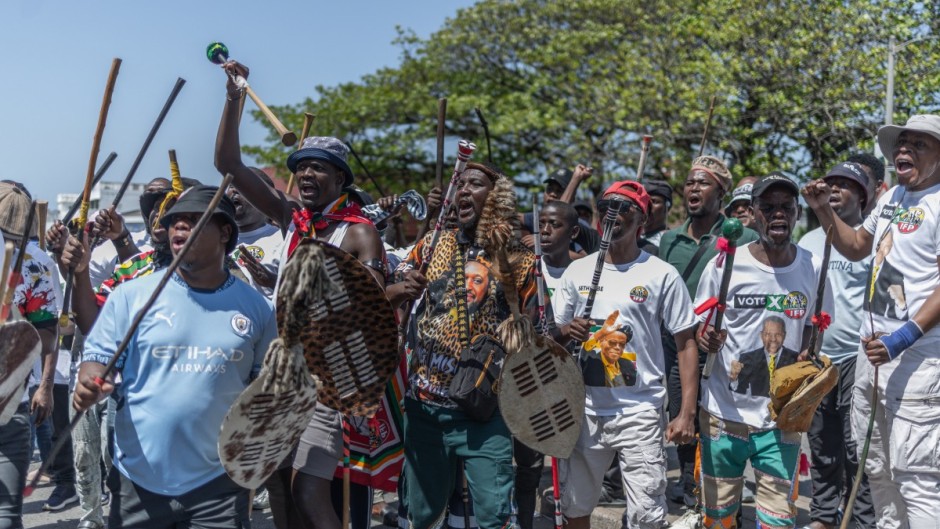
Protestors from the anti-illegal immigration group, March and March Movement chant slogans and march outside the Department of Home Affairs Refugee Reception Centre during a demonstration at the Che Guevara Road in Durban, on October 8, 2026.
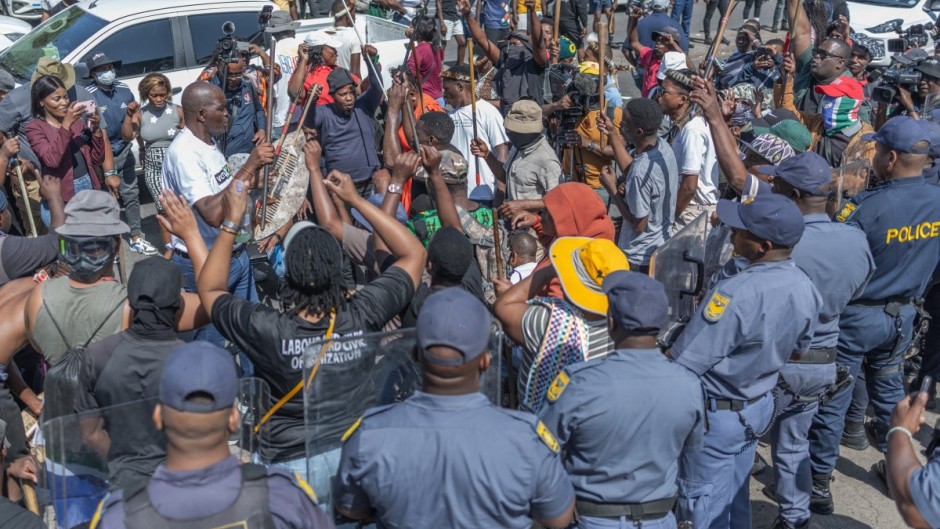
JOHANNESBURG – “The cost goes beyond what South Africa pays.”
This is the warning from South African Special Risk Insurance Association (SASRIA) CEO Mpumi Tyikwe following violent protests against illegal immigrants in the country in Gauteng and KwaZulu-Natal.
Between Durban and Soweto, at least over 20 vehicles were set alight, and businesses looted last week.
These actions have raised concerns about the financial impact of such public violence on businesses, workers and the wider economy.
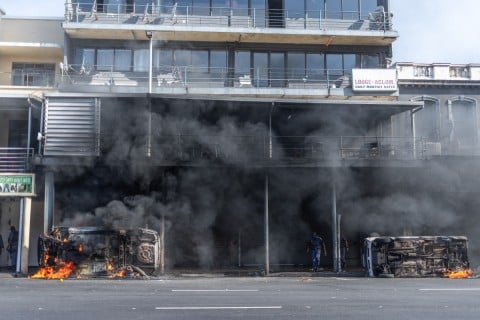
Cars are set alight after clashes erupt between protesters and foreign nationals in Durban on October 8, 2026.
Tyikwe said the consequences extend far beyond physical damage.
He said business owners often suffer the brunt of the protest aftermath, with some choosing not to reopen.
This, he said, leaves workers unemployed.
READ | 'Asylum seekers won't be allowed to abuse the process' - Cachalia
Tyikwe made an example of the July 2021 unrest, which resulted in economic and infrastructure damage as well as the loss of life in Gauteng and KwaZulu-Natal.
A report by the South African Human Rights Commission revealed back in 2024 how the violence and destruction caused damage to infrastructure and businesses, costing South Africa’s economy some R50 billion, with a further two million jobs being lost or affected.
“Some businesses do not rebuild; they simply move away from that area. We had a situation where some of our clients said they won't be building again in KwaZulu-Natal. So, you've got those permanent job losses. Keep in mind those people support others back at home,” Tyikwe said.
Tyikwe explains that while the citizens have the right to protest, these actions must be peaceful.
“When they turn violent, as we have seen, that discourages people from investing, which means that we can never adequately address the biggest challenge that South Africans will face, which is economic growth, which would lead to creation of jobs.”
Tyikwe gave credit to officials saying this time around they are better prepared than they were in 2021.
READ | Police, SANDF step up deployment in Soweto after violent protests
The recent actions began when tensions rose at Refugee Reception Centres as staff processed new asylum applications.
It followed a Constitutional Court judgment delivered on 7 July, which declared certain provisions of the Refugees Act unconstitutional and invalid.
READ | Vehicle torched at Constitutional Hill as protests erupt in Joburg CBD
The court ruled that asylum seekers could not be denied access to the asylum system solely because of procedural failures.
On Friday, the Department of Home Affairs withdrew a directive issued on 28 September concerning the intake of asylum applications.