
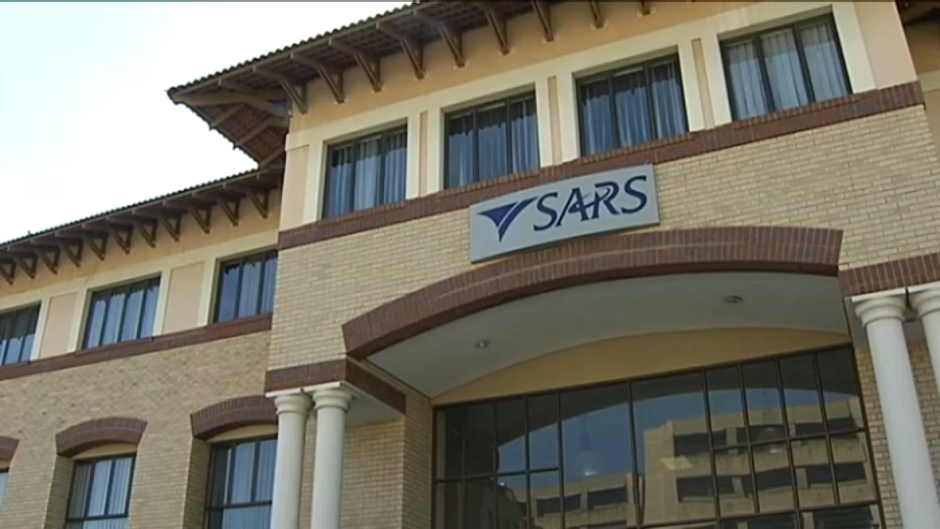
JOHANNESBURG - A move by SARS to impose administrative penalties may be an alarming wake-up call for beneficiaries of trusts in South Africa.
Trusts are obligated to submit annual returns, and the taxman has warned it will impose penalties following the passing of a deadline next month.
What is driving this crackdown
SARS' leniency towards imposing penalties has been long overdue.
This, after years of threatening non-compliant trusts with penalties for non or late submission of tax returns.
This has been a worrying trend for the tax authority.
In a final demand statement issued for annual income tax returns for Trusts on 9 February, the taxman warned that efforts to increase compliance levels of trusts were in motion.
At the same time, SARS revealed that it had issued final demands to trusts that did not submit an annual tax return for the 2024 and 2025 years of assessment.
This would be followed by public notice for the imposition of administrative non-compliance penalties for trusts.
READ | SARS freezes assets in corruption crackdown
It reiterated that all trusts, whether economically active or passive, are required to submit annual income tax returns in accordance with the requirements set out in the public notice.
This obligation, according to SARS, is an "operation of law and is applicable to every registered resident trust without exception and certain qualifying non-resident trusts".
Key warning: The past could catch up with you
A major concern raised by tax experts is that SARS may not only look at recent non-compliant.
Instead warned that they may go back nearly a decade when calculating the penalties on outstanding returns.
According to Tax Consulting South Africa’s Roxshanna du Toit, SARS' enforcement environment has become very sophisticated.
READ | SARS beats target, collects record R2 trillion in revenue
This, she said, is because Sars may be leveraging historical assessment data.
This means older non-compliance behaviour could potentially influence the penalty the trust will face today.
“From a penalty exposure perspective, trustees may be facing penalties at a minimum of R250 per month for a return that is outstanding, or up to R16,000 per month for a return that is outstanding.
“SARS is determining what threshold a trust falls in by looking at its historical assessment data and what its tax position was at that point in time, and then applying penalties based on the data that is available to it. It is quite a harsh exposure,” Roxshanna explained.
How long do these penalties continue
Roxshanna said penalties are applied prospectively and monthly until a trust has remediated on the returns that have been flagged by SARS as non-compliant.
What does this mean for trustees?
Such is a hefty tag on trustees, and many would now question what people should do if their trust has outstanding tax returns.
READ| SARS tax collection | R18bn boost for treasury
Roxshanna said the immediate priority for all trustees and for all tax practitioners who are supporting trustees with tax work is to make sure that they have full visibility over their trust portfolios.
“This includes what your compliance position is with SARS, identifying if there are any compliance gaps, specifically if there are returns outstanding for 2024 and 2025; those are important to get into SARS submitted as quickly as possible.”
She said the agenda for trustees is to make sure that they are taking a very proactive step when it comes to compliance and managing the compliance position of their trust.
“I would say that it is not too late to act, but it is definitely critically important to act now," she said.