
South Africa has rolled out a comprehensive economic defence strategy in response to the recent 30% tariff imposed by the United States under the Trump administration. The government’s plan includes measures such as an export support desk and a localisation fund aimed at protecting jobs, keeping markets open, and securing new trading partners.
Officials have emphasised that dialogue with Washington will continue, but South Africa is prepared to defend its economic interests. A new trade agreement proposal has also been submitted to the US administration as part of ongoing negotiations.
Donald Mackay, director at XA Global Trade Advisors, joined the programme this morning to share his views on the government’s response.
When asked whether the outlined measures are strong enough to prevent job losses and market shocks, Mackay said the actions address medium to long-term issues effectively, particularly the need to diversify trade markets.
“However, in the short term, we may still face challenges if the tariffs remain in place. While these are positive steps, we lack sufficient detail to fully assess their effectiveness,” he said.
Regarding the agriculture department’s approach, including the search for alternative markets and the localisation fund, Mackay noted the importance of constantly seeking new markets.
“The localisation fund already exists and is primarily funded through large mergers. We will need to see how it is redirected to support this initiative,” he added.
He also raised concerns about proposals to relax sanitary regulations on meat imports such as pork and chicken, warning of potential risks from pathogens without clear details on safeguards.
On the prospect of alternative markets as a short-term solution, Mackay cautioned that agricultural exports face significant challenges.
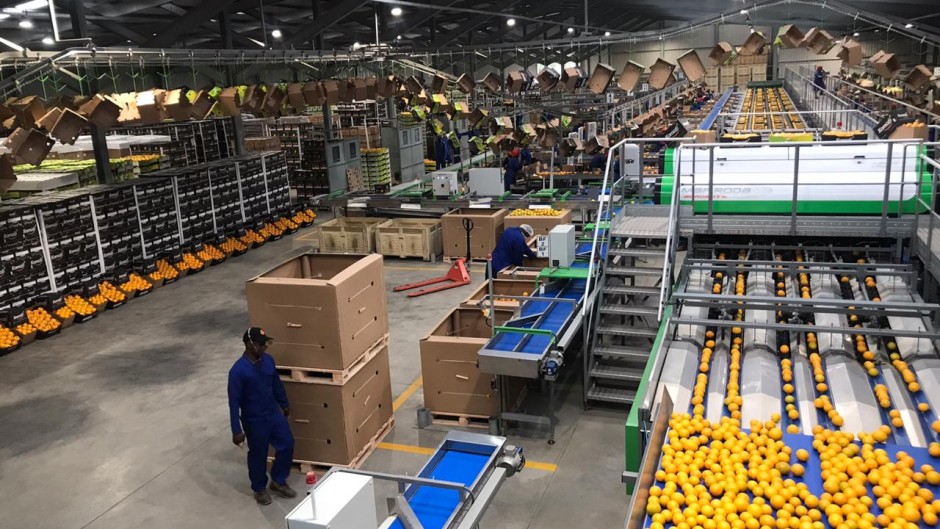
“Sanitary and phytosanitary rules make it difficult to enter new markets quickly. For example, citrus products already reach over 100 countries, leaving limited options for expansion. Even if new markets are secured, matching the price and volume currently obtained from the US market will be a major hurdle,” he explained.
He also pointed out that South Africa will face stiff competition from other countries seeking access to the same markets.
“Diversifying markets is critical, but it’s not a quick fix. It will take time to see meaningful results,” Mackay concluded.