
JOHANNESBURG - It has been a year since KwaZulu-Natal Police Commissioner Lieutenant-General Nhlanhla Mkhwanazi exposed what he alleged was widespread corruption within South Africa’s criminal justice system.
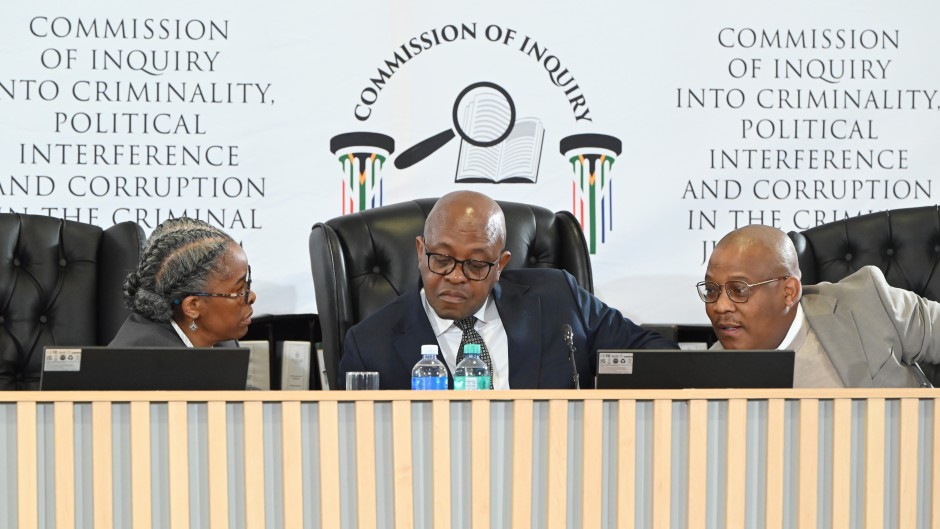
Mkhwanazi accused high-ranking officials of having links to organised crime, making allegations that ultimately led to the establishment of the Madlanga Commission of Inquiry and Parliament’s ad hoc committee to examine oversight of the country’s policing structures.
READ: A year later: From one explosive press briefing to a national inquiry
"It is two sides of the same coin," says security strategist Andy Mashaile.
According to Mashaile, the commission and Parliament’s committee serve complementary roles, allowing the system to be scrutinised and, ultimately, reformed.
He says Mkhwanazi’s allegations suggested that senior law enforcement officials either participated in organised crime or had been captured by criminal networks.
"When people take to social media and say the Madlanga Commission must run for the next five years, it means they are confident in his team," says Mashaile.
Meanwhile, alleged cartel boss Vusimuzi “Cat” Matlala was due to appear before the Madlanga Commission on Tuesday, but his appearance has been postponed.
Evidence leaders requested that his testimony be deferred to a later date, citing heightened media and public interest.
READ: 'Cat' Matlala's Madlanga Commission appearance postponed
Only Matlala’s legal representative is now expected to appear before the commission.
The postponement comes after Matlala agreed to comply with the subpoena.
He is also considering a revised plea agreement with the National Prosecuting Authority (NPA).
Matlala has until next week to decide whether to accept a proposed 12-year prison sentence.
Mashaile says he respects the way the commission has chosen to address the security concerns surrounding Matlala’s appearance.