
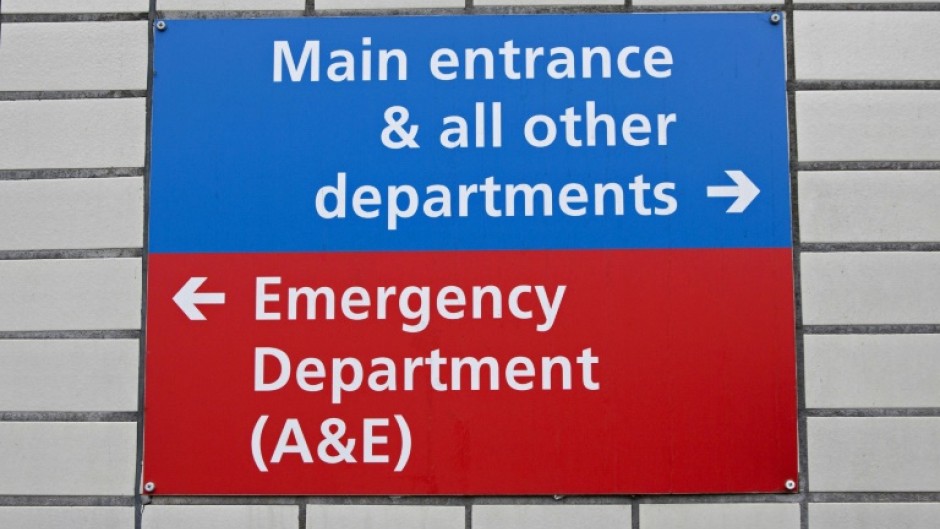
LONDON - The NHS, created after World War II to provide free healthcare to all, is a shadow of its former self, weakened by years of underfunding and the Covid-19 pandemic.
Getting an appointment with a doctor or a dentist is often an ordeal. Emergency rooms are usually overwhelmed, and waiting times for hospital treatment regularly hit new highs.
But the institution remains beloved by Britons, and the malaise afflicting it is one of their primary concerns going into the country's general election on July 4.
More than 7.5 million people in England were waiting for treatment in April, a new peak despite recent investment by the Conservative government.
A recent survey suggested that less than a quarter of Britons were satisfied with the NHS, an unprecedented level.
Long and frequent strikes over pay and conditions, including a historic first walkout by nurses, have plagued the NHS over the past two years.
Low morale is leading professionals to leave the service or try to cut back on hours.
"It was not unusual to see 45 to 50 patients a day, sometimes more than that," said James Booth, a doctor for more than 20 years who quit one workplace to go part-time at another.
He cited an ageing population, less time with patients, and a shortage of staff.
"We're seeing worrying numbers of doctors, nurses and other professionals leaving early into their careers or not joining the NHS at all," said Billy Palmer, of the Nuffield Trust.
All parties, including Labour -- which is tipped to form the next government -- are promising to fix the NHS through massive recruitment, innovation and reorganisation.
Experts remain unconvinced, however, saying what the system really needs is a massive injection of cash currently not available.