
JOHANNESBURG - Government has taken a progressive step towards responding decisively to illegal occupations and evictions.
This comes after Cabinet approved the Prevention of Illegal Eviction Amendment Bill for public comment.
The move puts the hot topic of land occupation in the spotlight.
READ | KZN govt on quest to reclaim hijacked buildings
At the centre of this change is the Prevention of Illegal Eviction from and Unlawful Occupation of Land Act.
The law was introduced in 1998 to stop or prevent arbitrary evictions and address historical injustices where people were removed from land without due process, violating their human rights.
Why is the law being amended?
According to Human Settlements Minister Thembi Simelane, the proposed amendments aim to strengthen the Prevention of Illegal Eviction from and Unlawful Occupation of Land Act of 1998 by making it more effective, easier to interpret, and simpler to enforce.
“It's the protection of me and you as members of our community in South Africa, but it's also a protection of state land, it's a protection of privately owned land, but it's also the protection of rights and citizens who may be illegally evicted,” she said.
She said the move comes amid a rise in unlawful land and building occupations across the country, placing a significant financial and administrative burden on both government and the private sector.
"The proposed amendment seeks to empower municipalities, State entities, and private property owners to respond more decisively to illegal occupations and evictions. It will strengthen our ability to address individuals and organised groups who are responsible for orchestrating these invasions,” Simelane said.
She said they want to ensure that anyone who incites and misleads people in terms of invading land and building in spaces where they aren't supposed to is fined.
READ | Sheriff moves to evict hijacked building occupiers
This could be a fine of R2 million or imprisonment not exceeding two years or both on a person or individuals who incite people to unlawfully occupy land, irrespective of whether it is a building owned by government or a private owner.
Dealing with slumlords and hijacked buildings
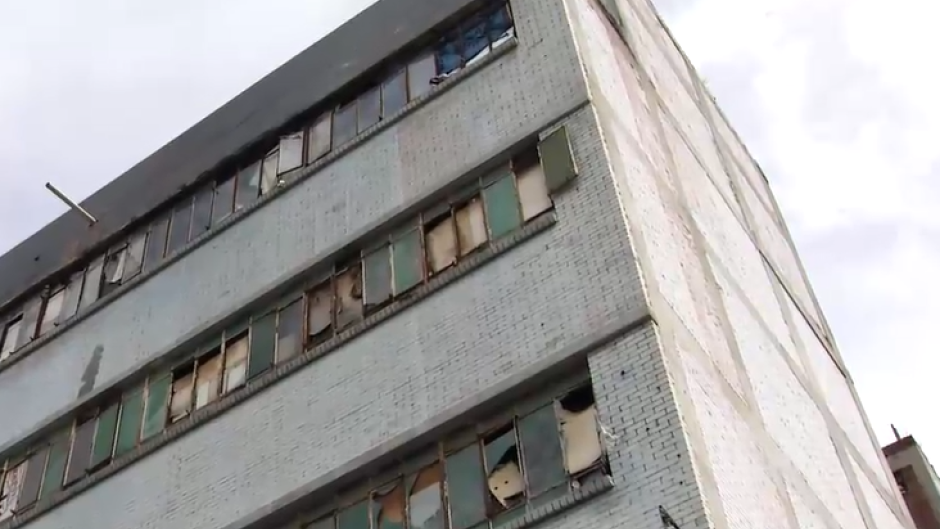
In many areas, like the inner City of Johannesburg, many buildings have been taken over illegally.
In one tragic incident, more than 70 residents died when a fire broke out Usindiso Building, once used as a shelter for women and children.
The building was abandoned by the ministries and turned into a hijacked building harbouring criminals, and classified as unsuitable for human habitation.
READ | Reflecting on the Usindiso Building fire, two years later
But Usindiso is one of many other buildings hijacked.
A once-sprawling 3,500-square-metre Bryanston home now stands stripped, vandalised, and carved into a maze of illegally built structures, and the owners are fighting to reclaim it.
Some occupants told eNCA they pay up to R2,000 a month to live here, and a man claiming to be the landlord collects the rent.
It was revealed that the hijacked property had incurred over R1 million in water and electricity debt.
READ | Hijacked Bryanston mansion owes City over R1m
According to Simelane, illegal landlords will be held accountable and have the money they collected forfeited.
“Our responsibility also is not to expand or increase homelessness, but it's to find solutions to protect you as an owner, protect the state.
"You need to understand what is happening in your surroundings through a proper municipal blend process of formatisations of settlements, and not just settlements that pop up in each and every area,” she added.
Who can participate in the process?
Simelane said the public participation process is open to all South Africans, including community members, civil society organisations, and all interested parties.
Public consultation sessions will be held across the country, with the first engagement expected to take place on 05 May 2026, in the City of Ekurhuleni
She said they intend to return to Cabinet with the revised bill by July 2026.