
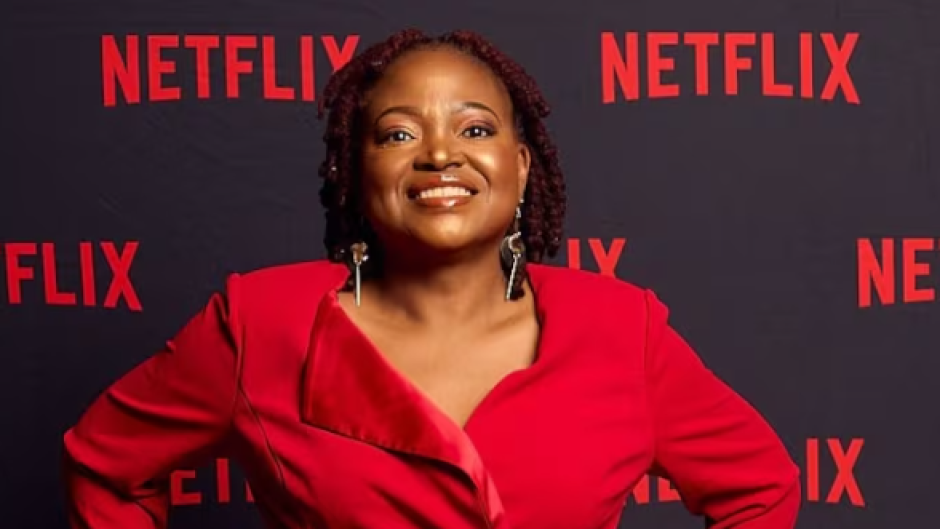
JOHANNESBURG - South Africans are triggered by the storyline from a new Netflix series, The Polygamist.
Since its release on 12 June, social media timelines have been flooded with discussion about Jonasi, who is portrayed by S’dumo Mtshali and Joyce, portrayed by Gugu Gumede.
Viewers debated about infidelity, polygamy and the lasting effects of dysfunctional families.
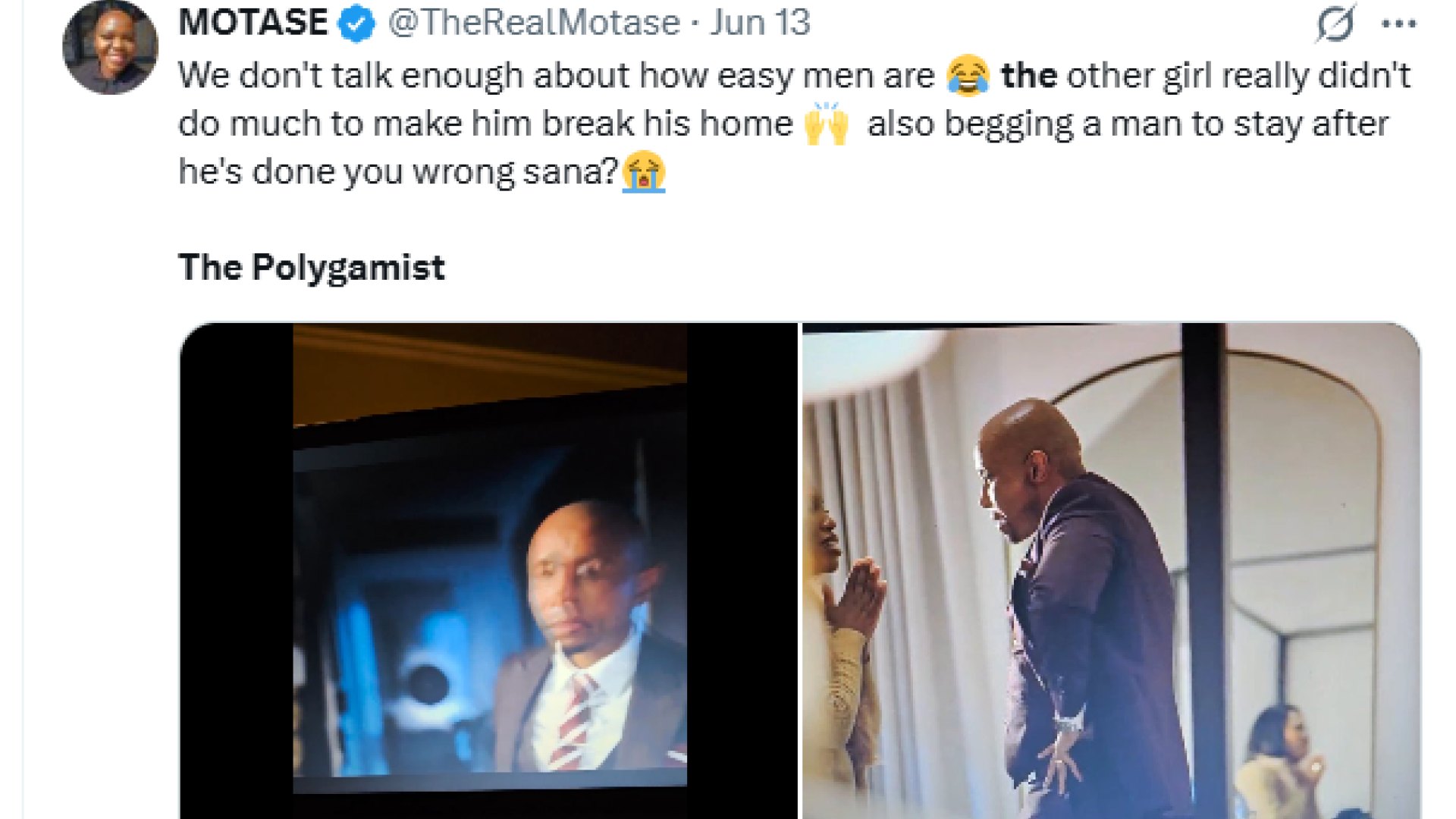
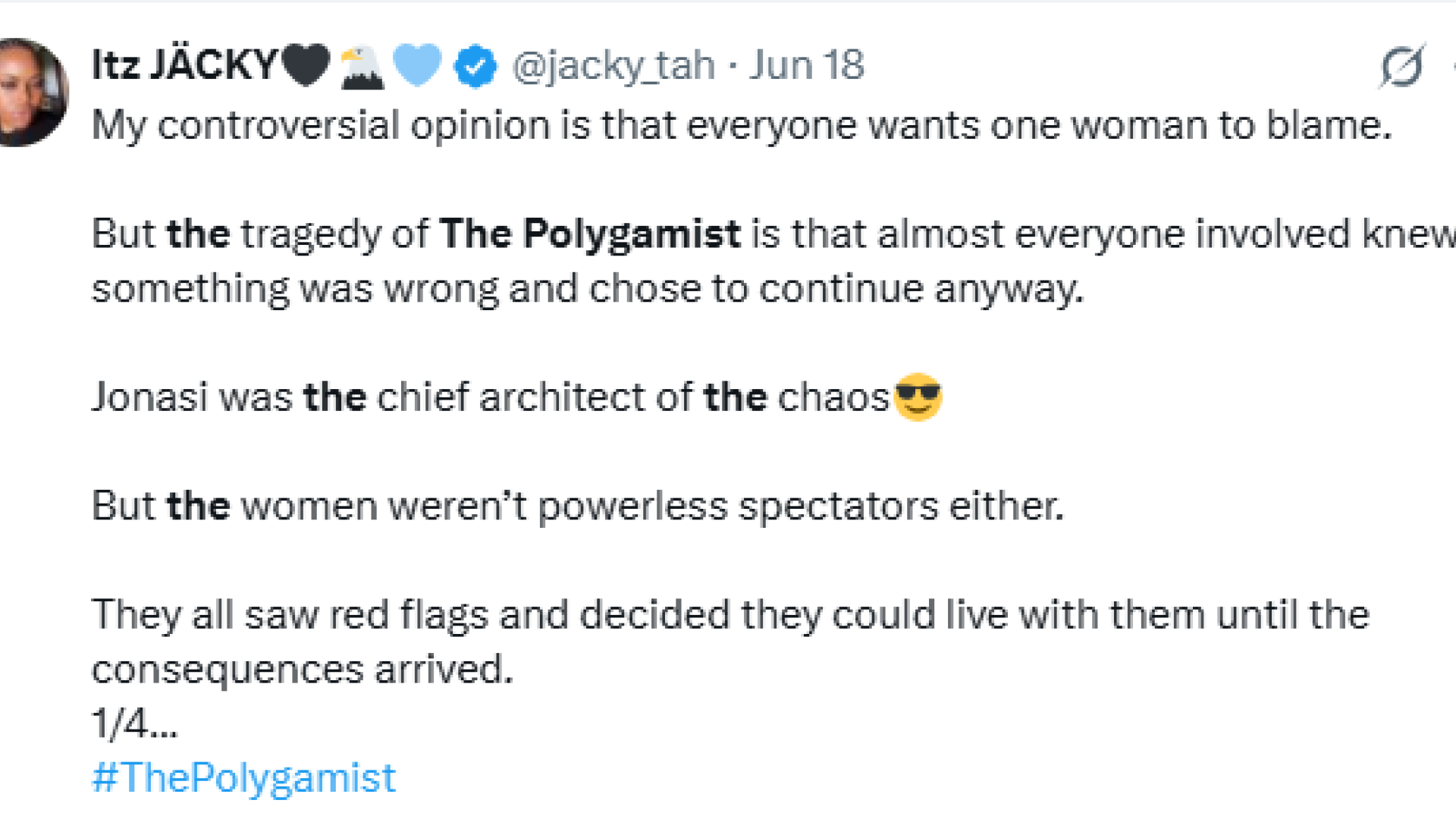

The drama series, adapted from Sue Nyathi's novel, follows Joyce and her husband Jonasi, a self-made CEO whose image collapses under the dark cloud of secret affairs and deception.
The series was undoubtedly a classic case of art imitating reality, with the storyline reflecting society.
For author Nyathi, the reaction was exactly what she had hoped for
“I want my books to keep being discussed long after the last page is turned,” Nyathi told eNCA.
“I use stories to shine a light on the themes that shape us: culture and tradition, empowerment, family dynamics, gender-based violence, immigration and displacement, race relations, and religion.”
According to Nyathi, the novel The Polygamist existed long before the pen touched paper.
She said the inspiration came from watching married men who claimed to be monogamous while quietly living polygamous lives.
READ | Police hunt killers of woman and teen
This was not the traditional kind of polygamy, as she drew from her own personal experience.
“My maternal grandfather was a polygamist with five wives, so I was familiar with the practice. It was hidden men running parallel lives with secret wives, families, and children. I found it deeply intriguing. The seed was planted during my time in Harare between 2001 and 2005, but I didn’t start writing until 2010.”
When the book was published in 2012, Nyathi said it quickly found an audience despite the story being rooted in Zimbabwe and the characters being Zimbabwean.
“It resonated beyond our borders, too. Airport sales helped it reach readers outside Africa, and I’ve had non-African readers tell me they loved it just as much. Polygamy, in its many forms, is part of many African cultures, but the tensions in the story clearly speak to people everywhere.”
Fast forward to 2025, and the book was adapted into a 22-episode-long series, which had people dissecting the storyline.
READ | Over 1,500 perpetrators sentenced in fight against GBV-F
While Nyathi was not involved in adapting the series, she said the writing team and the production house kept the essence of the book.
“I think it was important for them to bring their own creative vision to it. Yes, there were changes from the original book, but they didn’t take away from the core storyline.”
Nyathi said the series, much like the book, exposes realities that people often experience but rarely discuss openly.
“We live in a society where women openly pursue and date married men, even flaunting those relationships on social media. It’s become fashionable to be a side chick or side wife.”
“We see the children who come from dysfunctional homes, and how that dysfunction plays out in their lives. We see women facing gender-based violence. Intimate partner violence and domestic violence are on the rise, not the decline — and the statistics back it up.
“We see the consequences of promiscuous lifestyles. HIV infections are increasing again," she said.
Recently, the Gauteng Department of Health spoke out about the reluctance to seek treatment and the consequences of untreated STIs.
“Multiple partners without protection increases the risk of STIs and HIV. Ignoring treatment does not make it go away; it makes it worse,” the provincial health department wrote in a statement.
As people continue to watch the series, Sue said she embraces the conversations that the story provokes.
“In art, representation matters. People want to be seen, and many see themselves in this story, which is also why it was triggering for some viewers.
“But that discomfort points to a deeper need for healing and restoration. Society is broken, and what we’re seeing are the fruits of that brokenness. We have to deal with the root of the pain, not just the symptoms," she said.